
Across aerospace, banking, healthcare, legal, education, marketing, and nonprofits, the work often comes down to making unfamiliar systems feel straightforward.

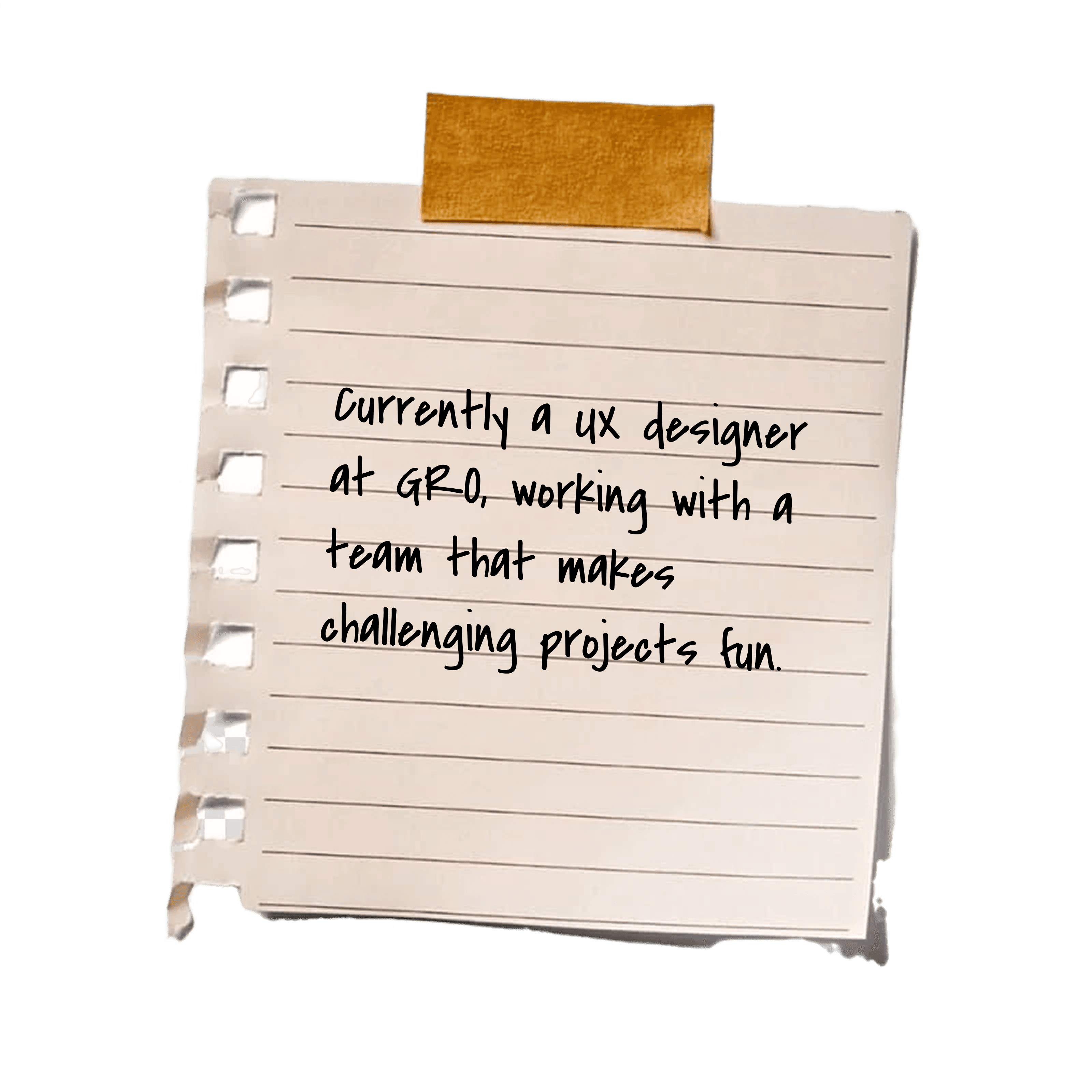
With4yearsofexperiencedesigningSaaSandenterpriseB2Bproducts,alongwithafew0->1consumerbuilds,I’velearnedhowtotakefuzzyideasandshapethemintoclear,WCAG-compliantandaccessibleworkflows.







Internship
Enterprise UX
Password Protected 🔒
Pearson VUE Accommodation Approval Tool
Cut approval delays by 40% while improving candidate scheduling efficiency
View Project

Capstone Project
Enterprise SaaS
Logistics Optimization
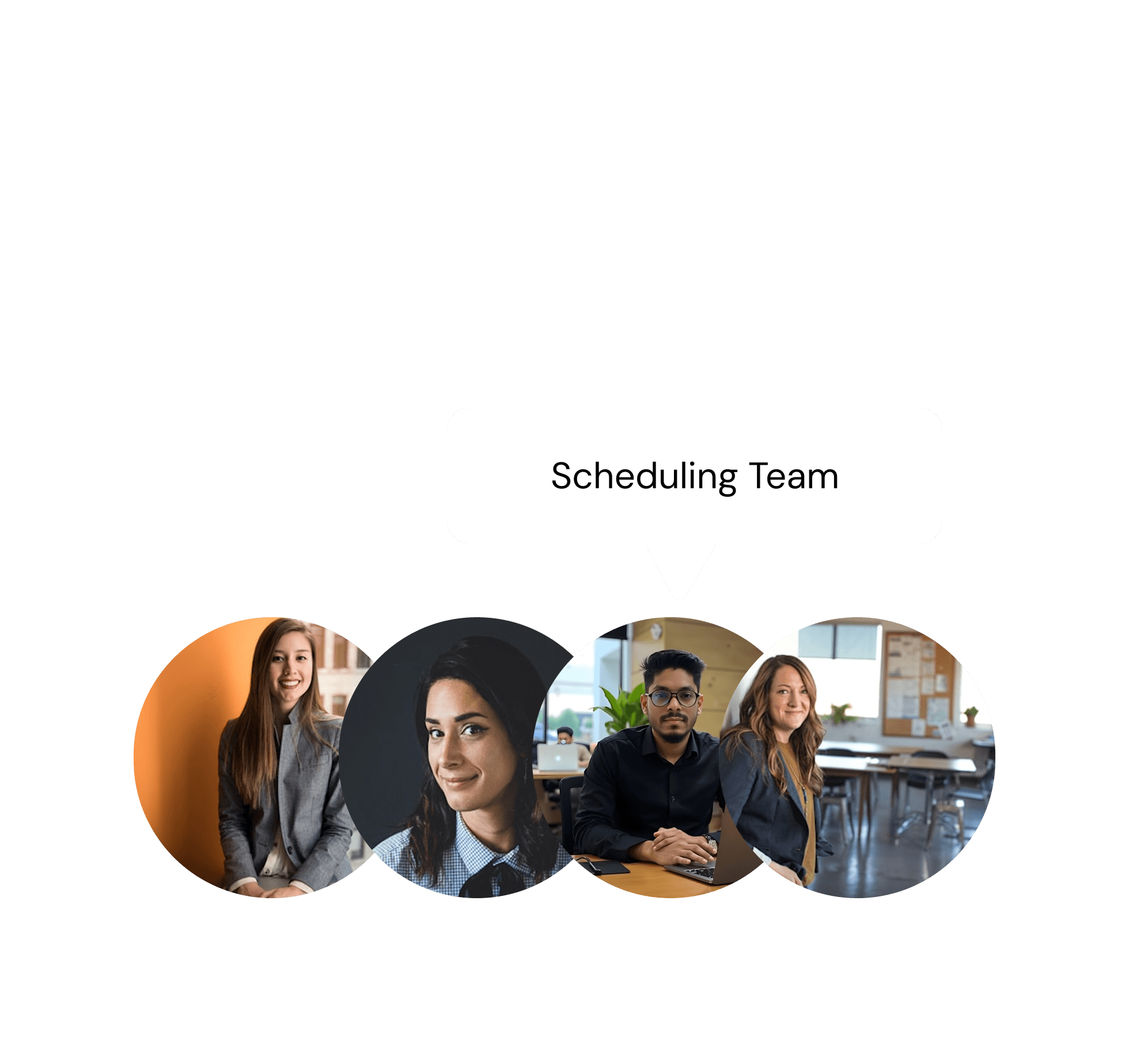
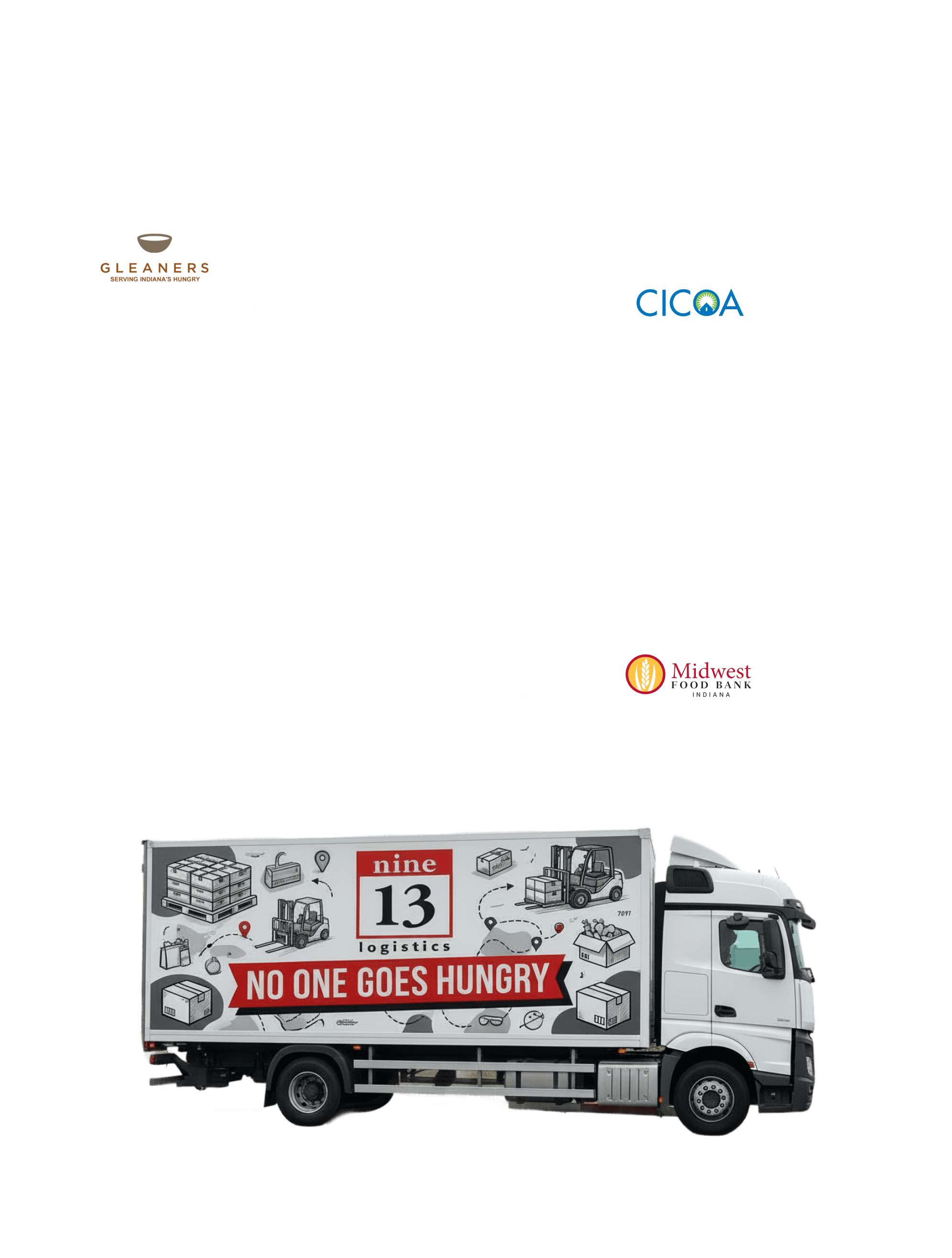
Nine13 Logistics Planning & Simulation Platform
Streamlined fleet, driver, and demand planning to enable faster, lower-risk decisions.
View Project

Research-Driven Design
Social Impact App
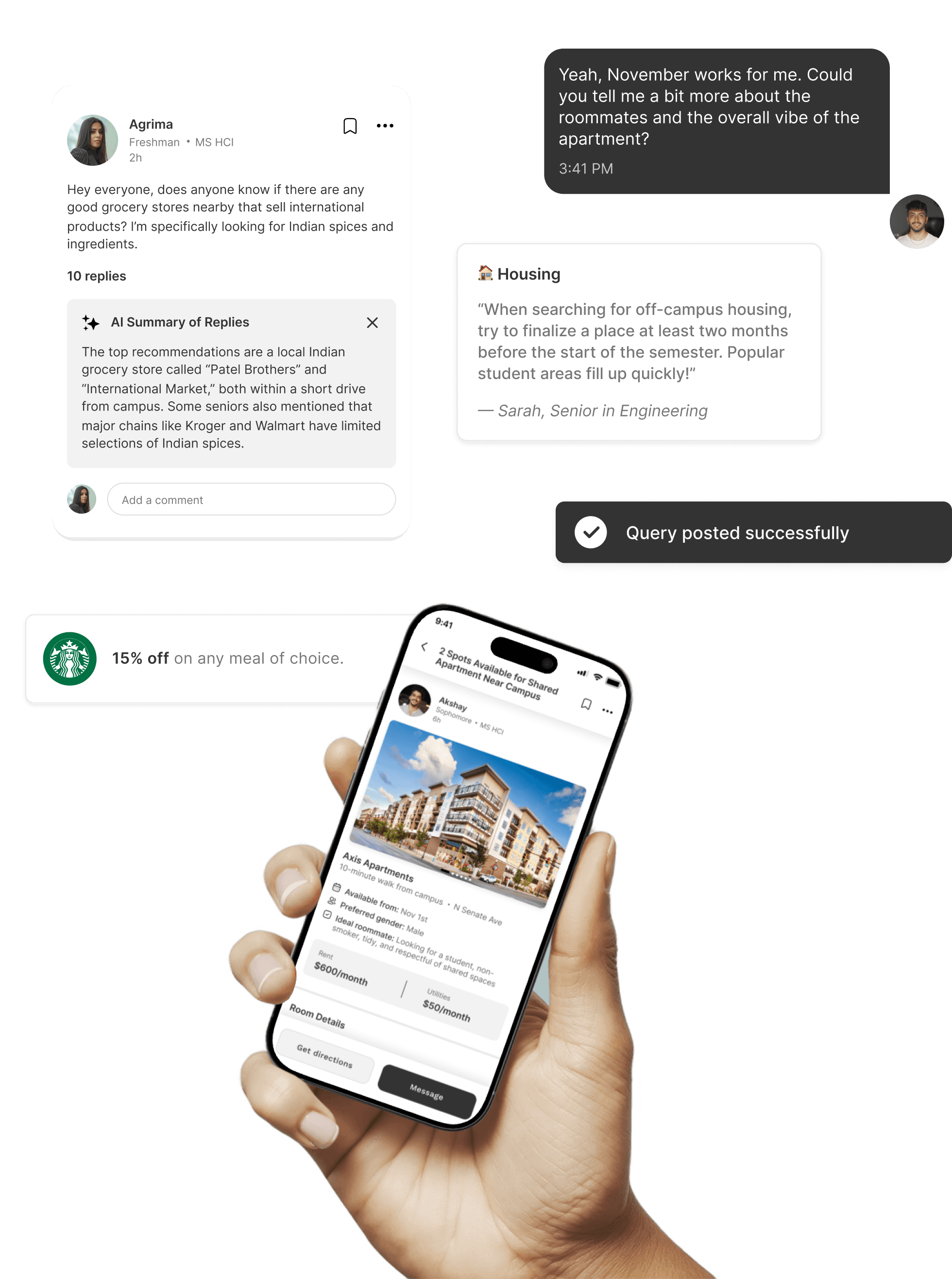
EasyNest: Support App for Students
Designed a student support app that boosted task success by 30%.
View Project

Internship
Shipped
Password Protected 🔒
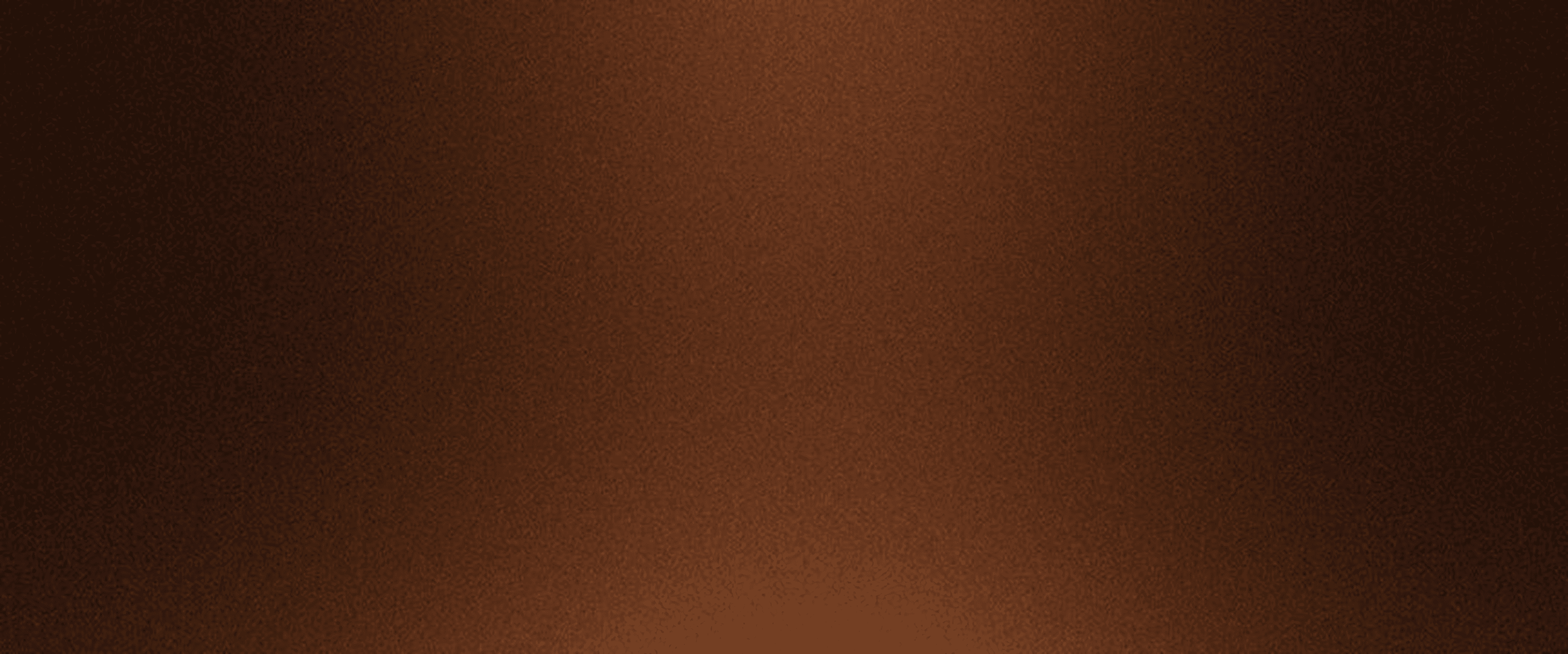
GRO Client Site Launches
Designed, refined, and launched 8 real world client websites from 0 -> 1
View Project
Internship
Enterprise Saas
B2B2C
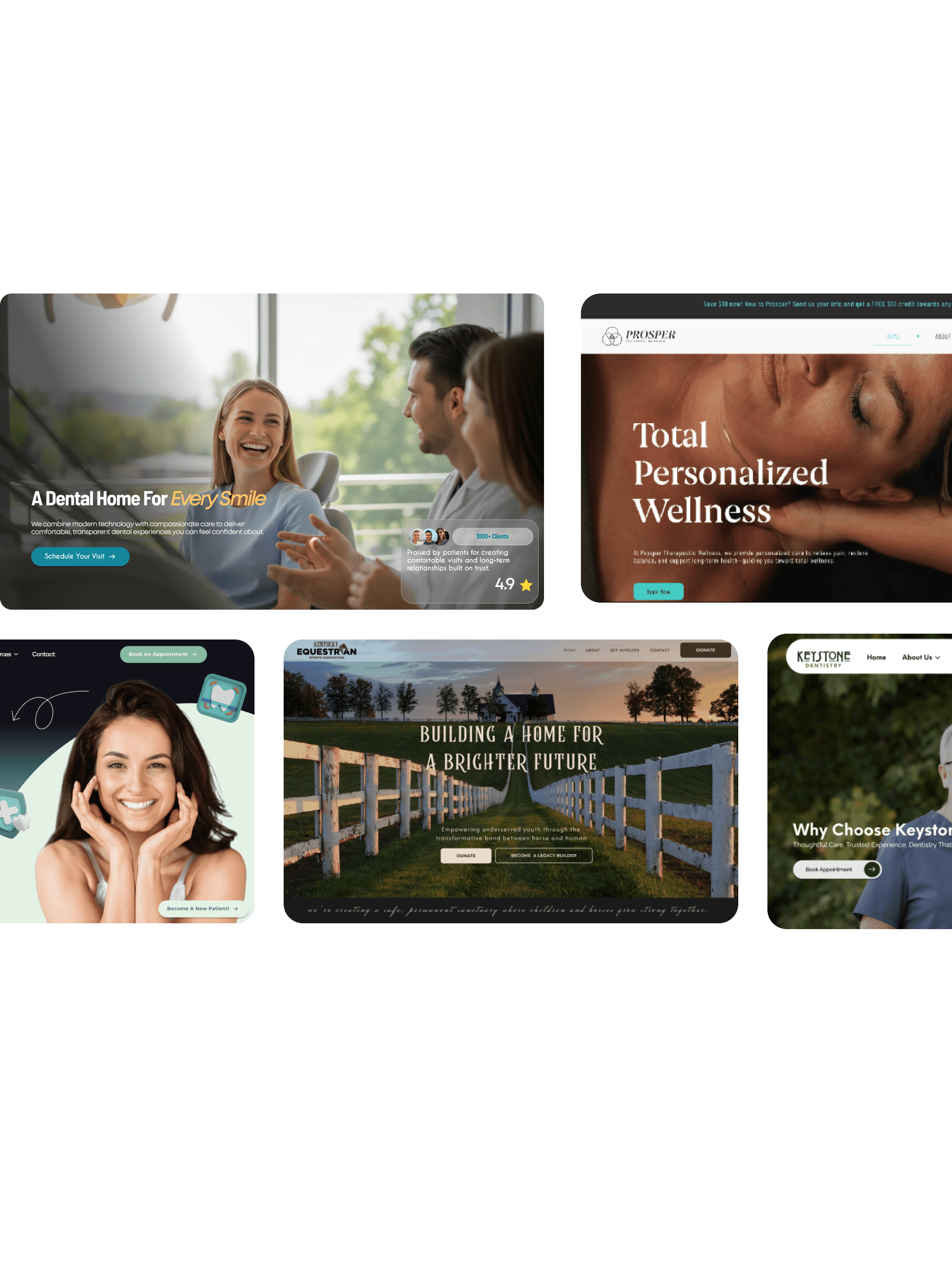
Pearson VUE : TOPAZ Design System
Delivered reusable components that cut design-to-dev time by 25%
View Project
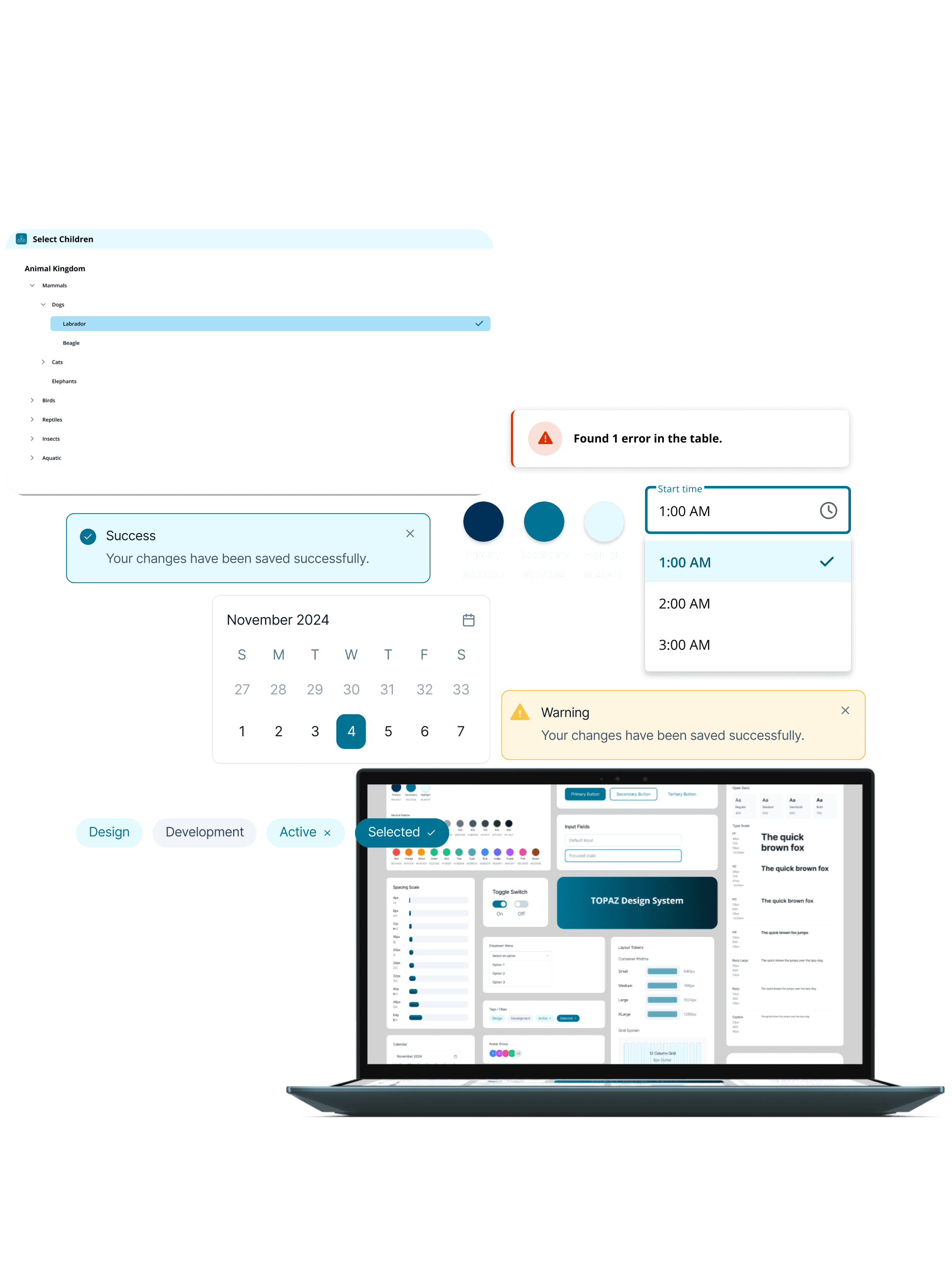
Things I’m Building with AI
Lately, I’ve been using tools like Claude and Cursor to quickly turn ideas into small projects and see what works.
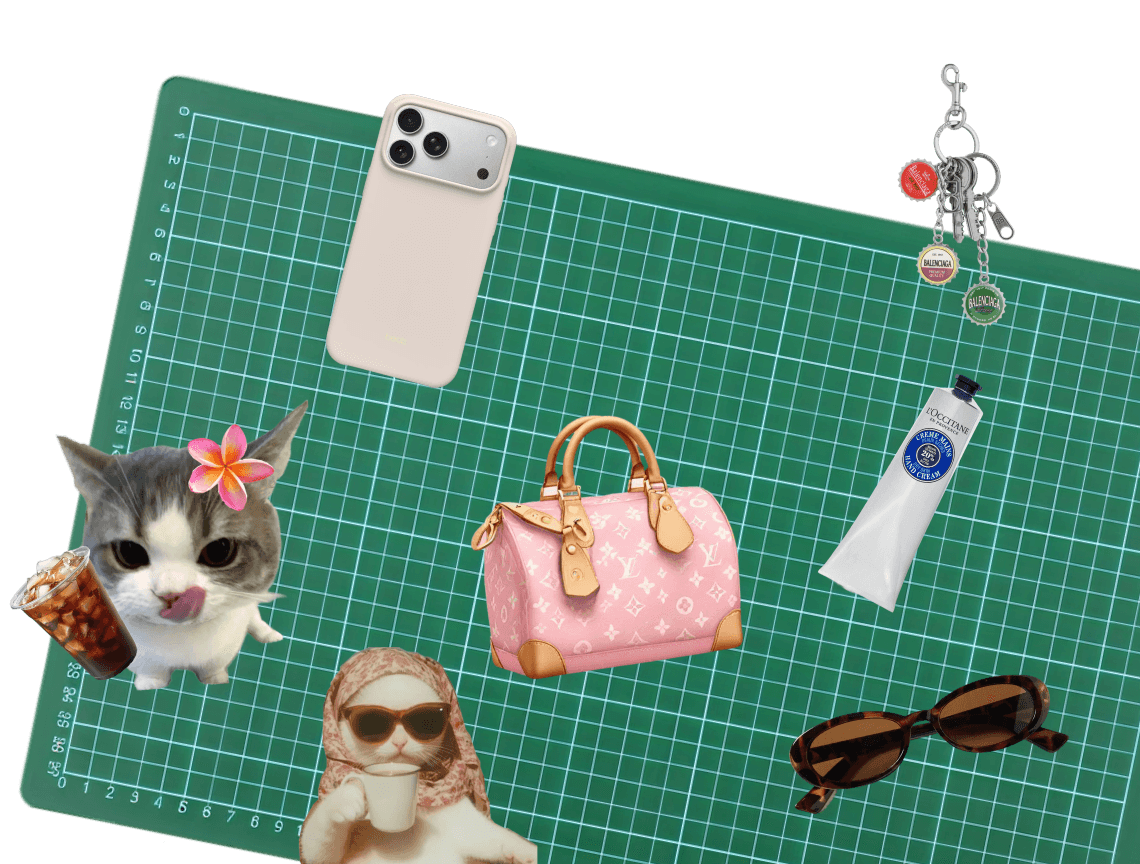
Gesture-Based Packing 💅🏼
A gesture-based interaction to pick and drop essentials, making packing reminders more interactive.
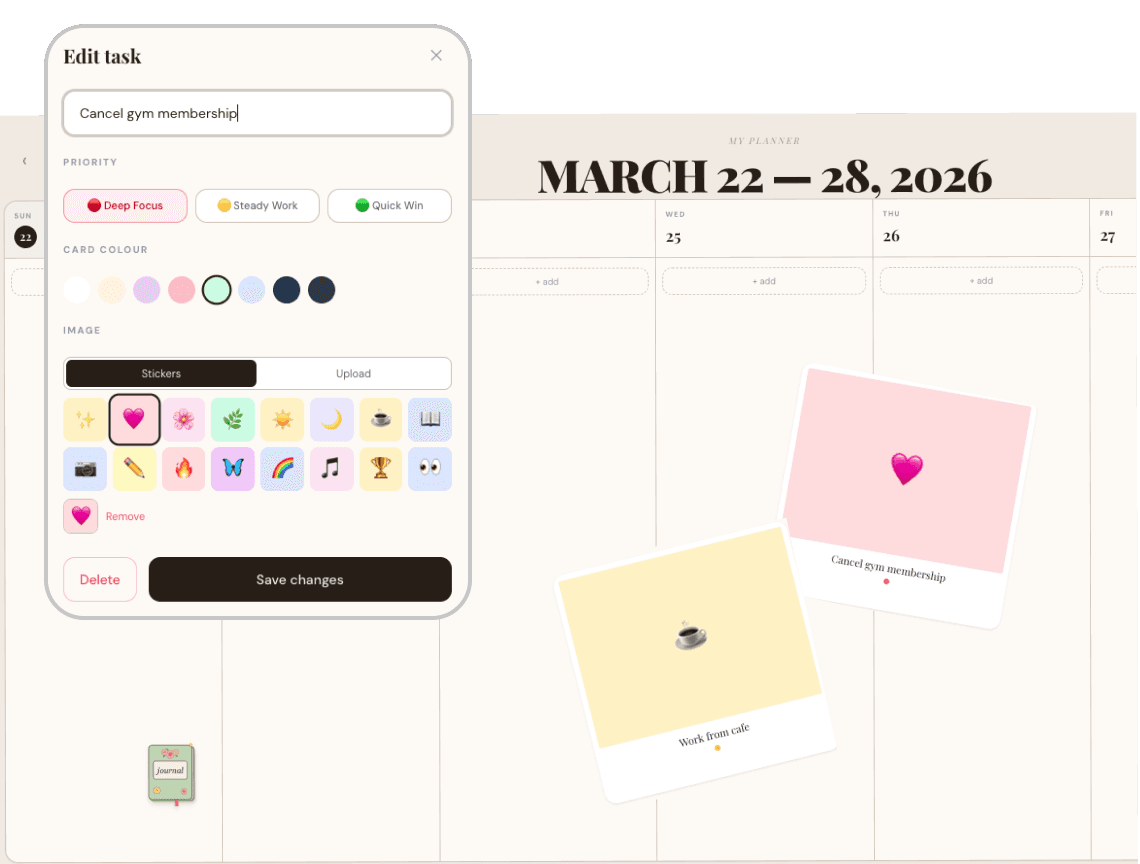
Daily Planner, Reimagined ✨
A simple way to plan days using text, images, and dates, making everyday planning feel more visual and less rigid.
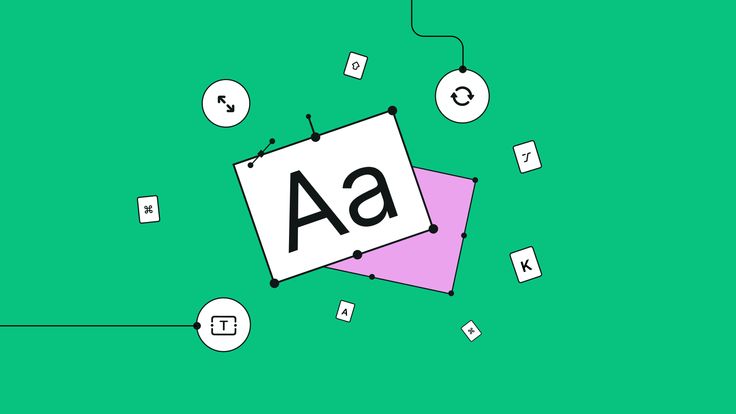
Design-to-Code Consistency Checker 🔁
An ongoing project that ensures your live product matches your Figma designs.
How I Approach Design
Design, for me, is mostly about understanding the problem and working through ideas until things start to click.
Start with what feels unclear
Every project usually begins with something a little messy. I like starting there by understanding the problem, the people using it, and what is not working yet.
Follow the real need
Instead of starting with trends or visuals, I start with people. What they need, what slows them down, and what would make things easier.
Make the idea tangible
Once the direction feels clearer, I start turning ideas into flows and prototypes, using tools like Cursor and Claude to quickly test what might work.
Refine what people do not see
A lot of the real design work happens in the details. Edge cases, small interactions, and quiet adjustments are often what make the experience feel natural and easy.
Leave it stronger than it started
The goal is not just to make something look good today. I want it to feel clear now, flexible later, and strong enough to grow without falling apart.